Richard Loo
Richard Loo (October 1, 1903 – November 20, 1983) was an American film actor who was one of the most familiar Asian character actors in American films of the 1930s and 1940s. He appeared in more than 120 films between 1931 and 1982. Chinese by ancestry and Hawaiian by birth, Loo spent his youth in Hawaii, then moved to California as a teenager. He graduated from the University of California at Berkeley and began a career in business. The stock market crash of 1929 and the subsequent economic d...
Movies (Cast)

The Man with the Golden Gun
Prison Ship
Tokyo Rose
The Conqueror

Lost Horizon
China
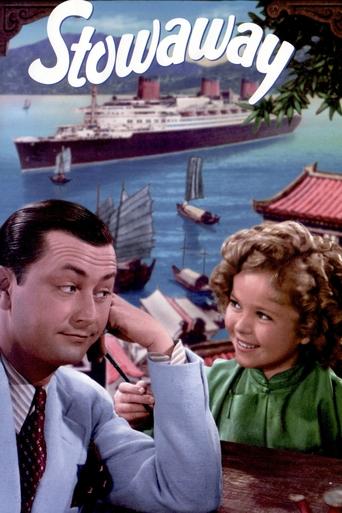
Stowaway
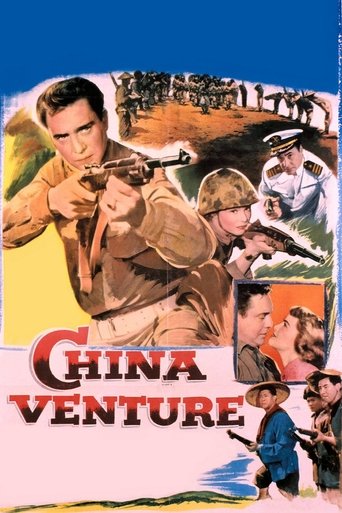
China Venture
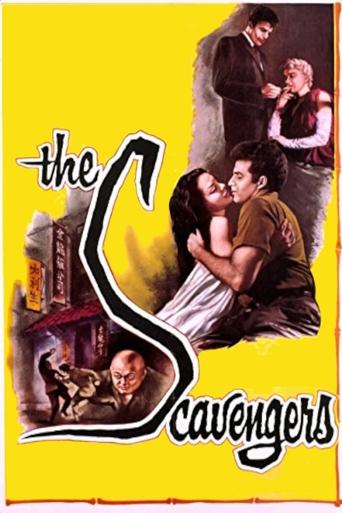
The Scavengers
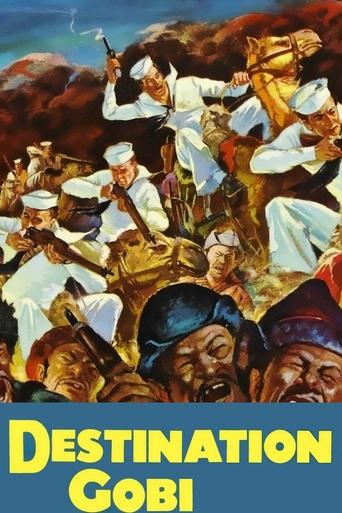
Destination Gobi

Chandler
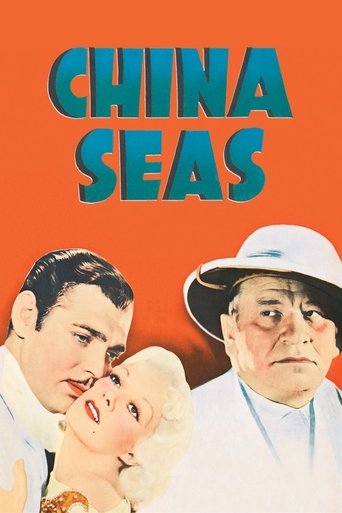
China Seas
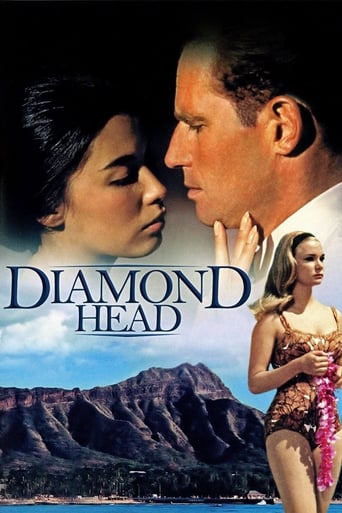
Diamond Head

Wake Island
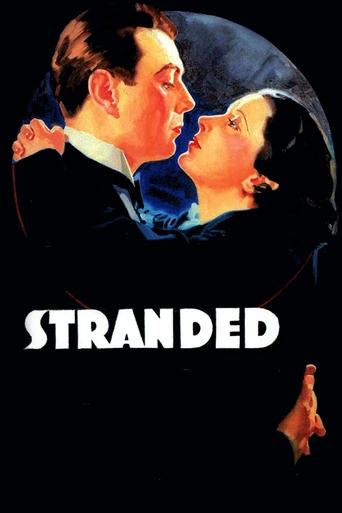
Stranded
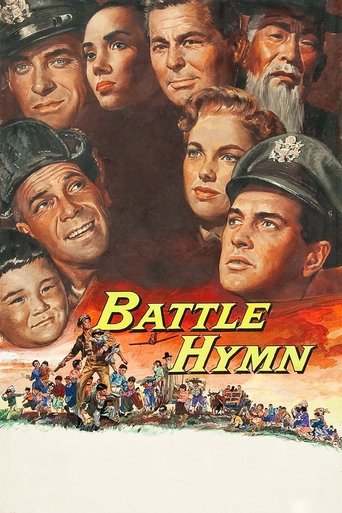
Battle Hymn

Destroyer

China Sky

5 Fingers
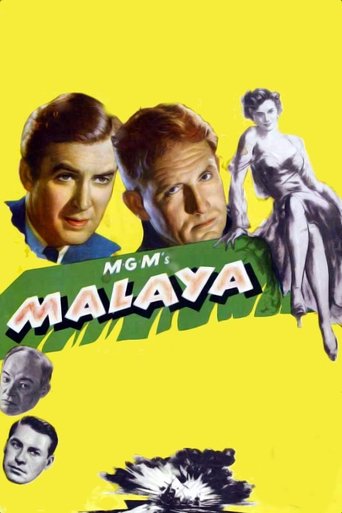
Malaya

The Bitter Tea of General Yen
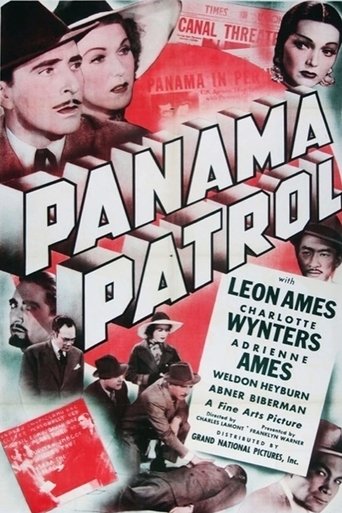
Panama Patrol
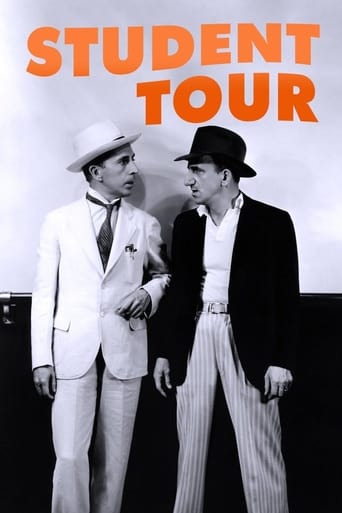
Student Tour

The Sand Pebbles
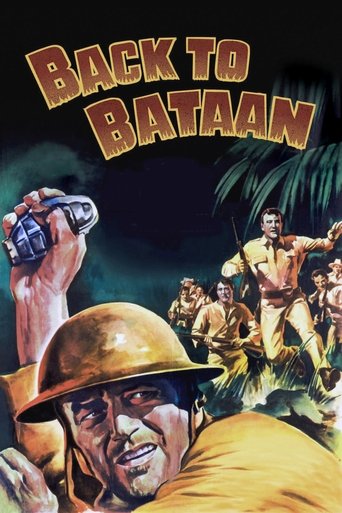
Back to Bataan
The Quiet American
Love Is a Many-Splendored Thing
Around the World in 80 Days
The Good Earth
Too Hot to Handle
Across the Pacific
I Was an American Spy

So Proudly We Hail

Lady of the Tropics
That Certain Woman
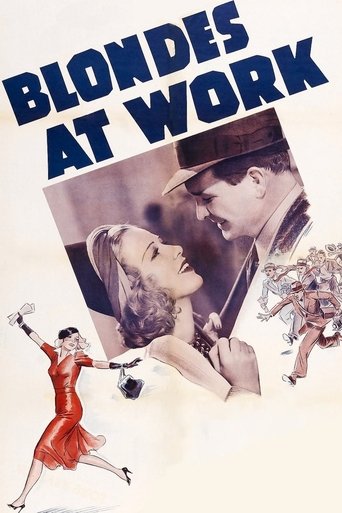
Blondes at Work

Hell and High Water

The Soldier and the Lady
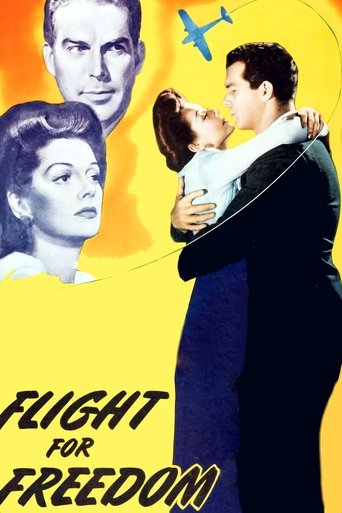
Flight for Freedom
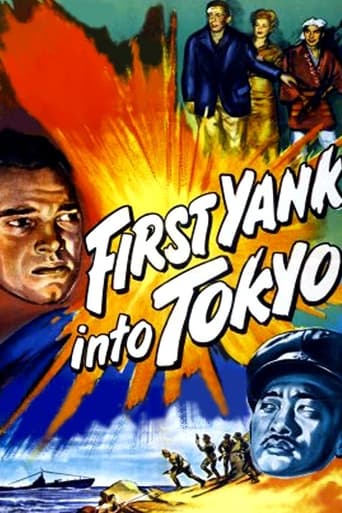
First Yank into Tokyo

Collision Course: Truman vs. MacArthur
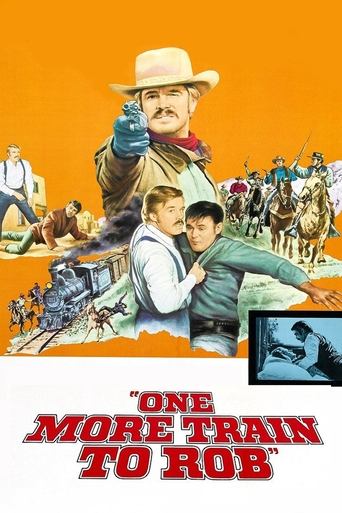
One More Train to Rob
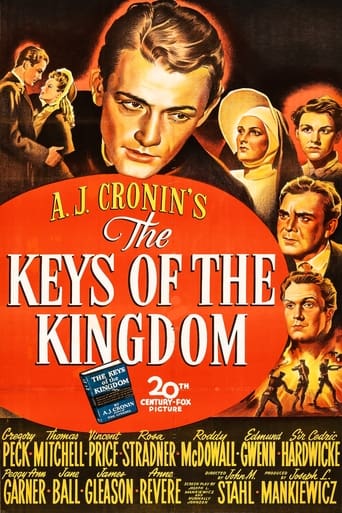
The Keys of the Kingdom
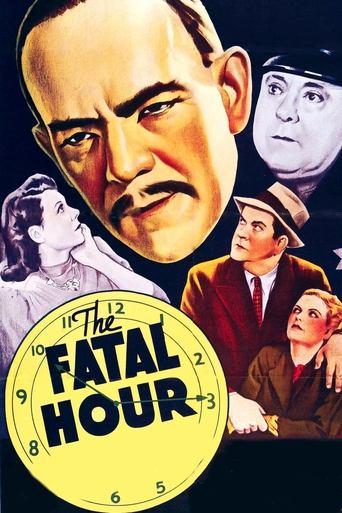
The Fatal Hour
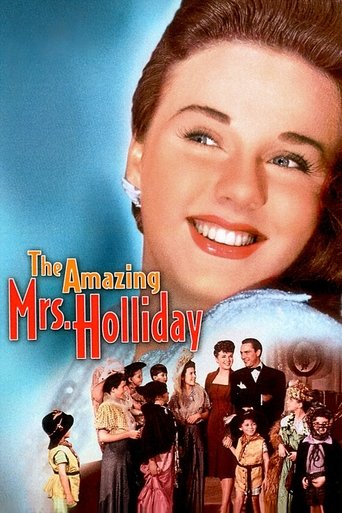
The Amazing Mrs. Holliday
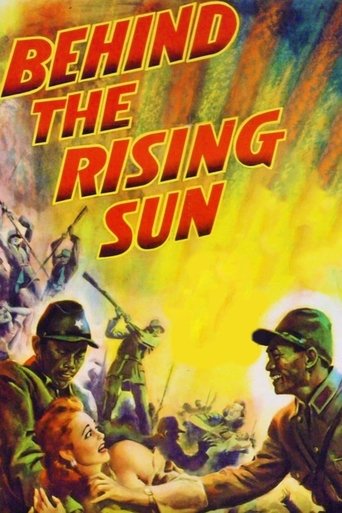
Behind the Rising Sun

Island of Lost Men
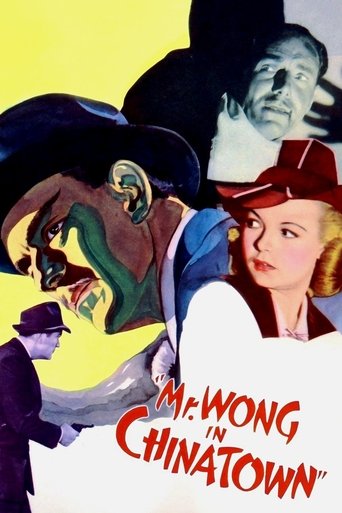
Mr. Wong in Chinatown
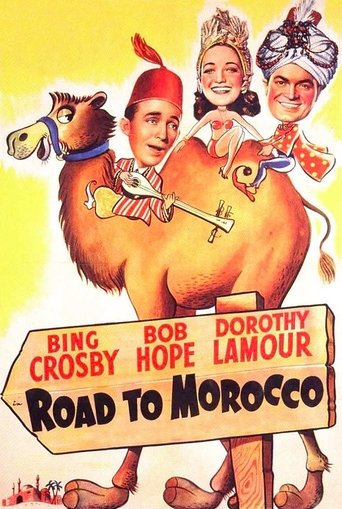
Road to Morocco

The Shanghai Story
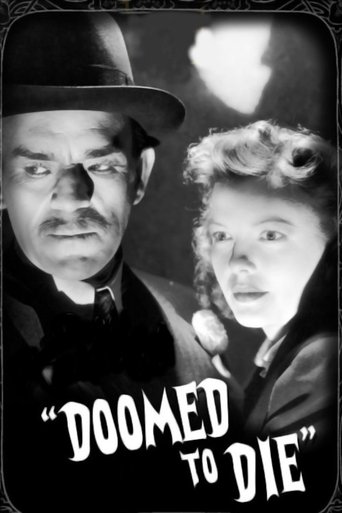
Doomed to Die

Kung Fu: The Movie
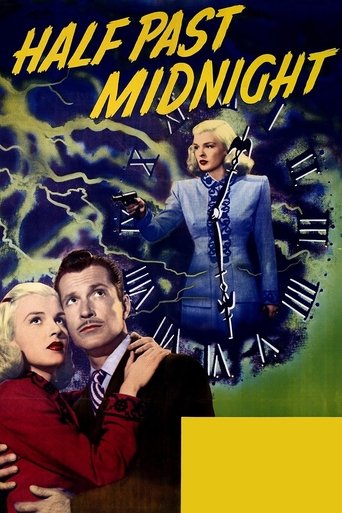
Half Past Midnight
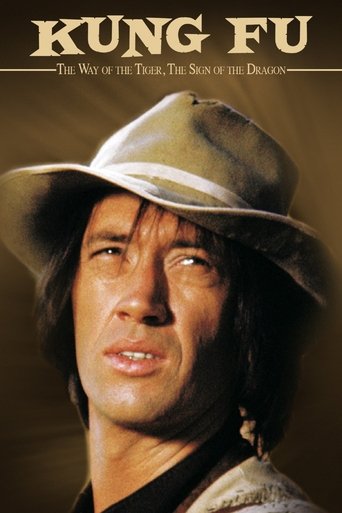
Kung Fu: The Way of the Tiger, the Sign of the Dragon
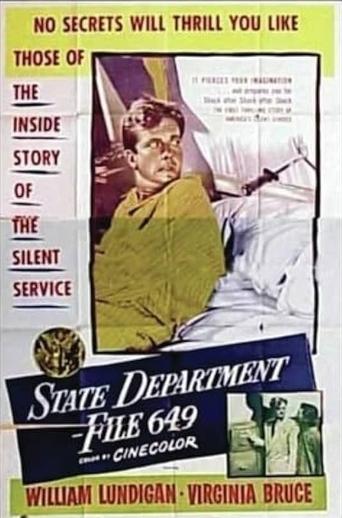
State Department: File 649
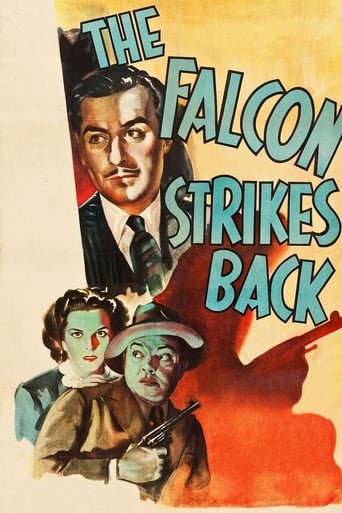
The Falcon Strikes Back
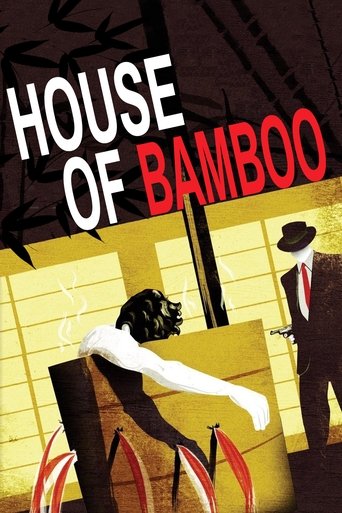
House of Bamboo
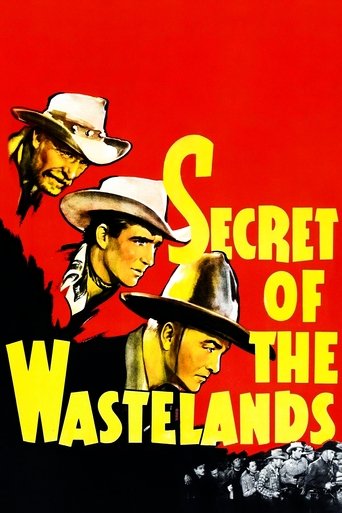
Secret of the Wastelands
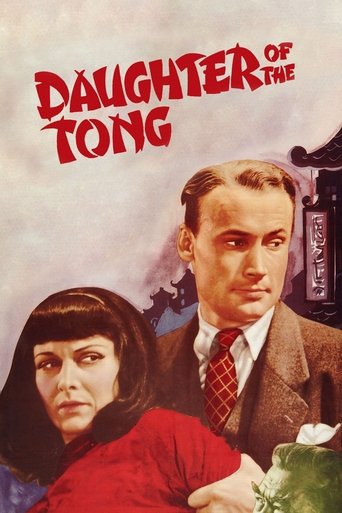
Daughter of the Tong
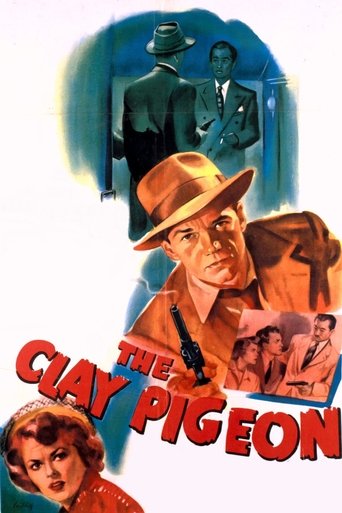
The Clay Pigeon
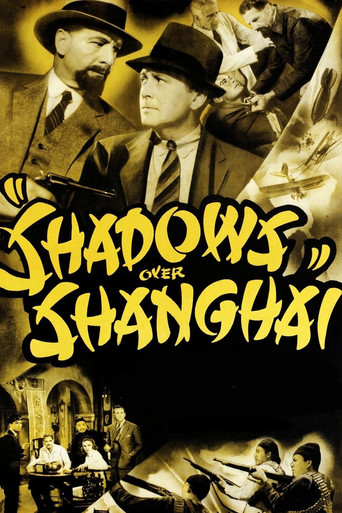
Shadows Over Shanghai

Confessions of an Opium Eater
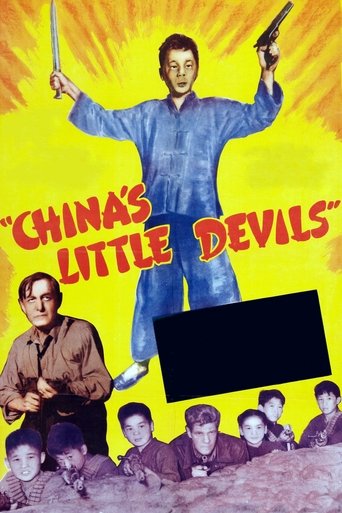
China's Little Devils
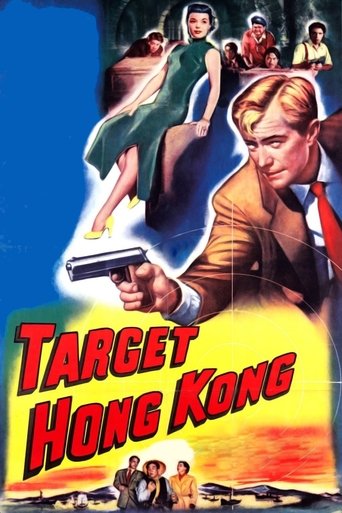
Target Hong Kong
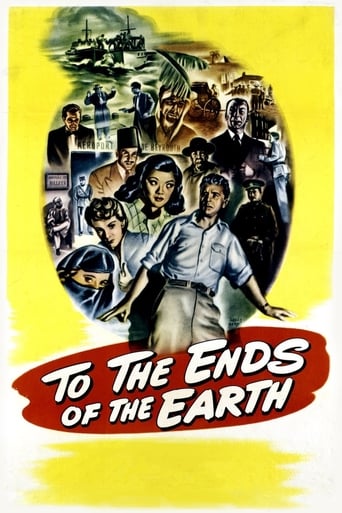
To the Ends of the Earth
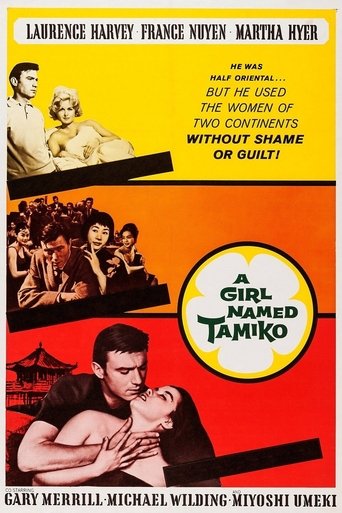
A Girl Named Tamiko
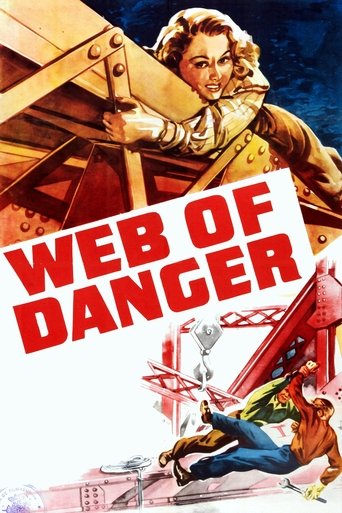
Web of Danger
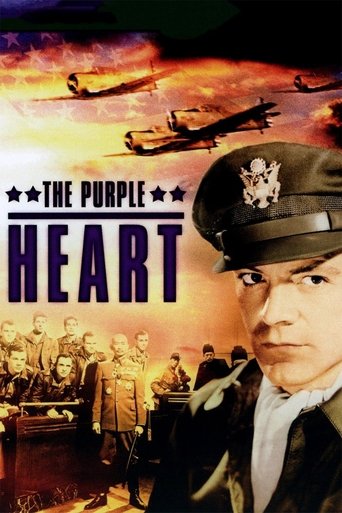
The Purple Heart
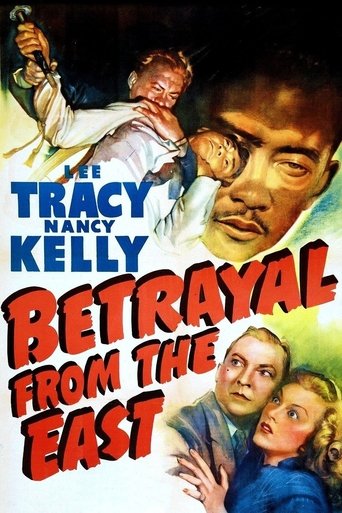
Betrayal from the East
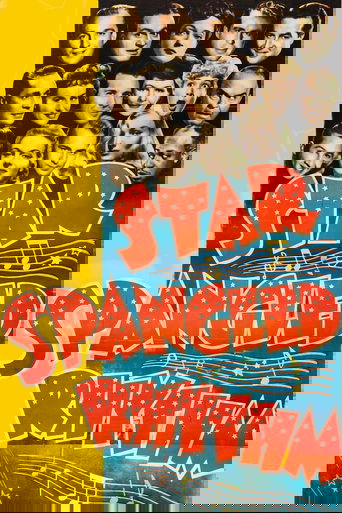
Star Spangled Rhythm
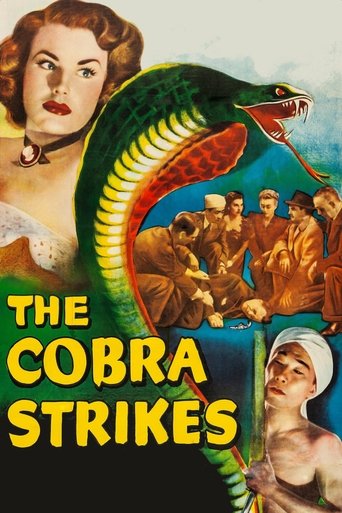
The Cobra Strikes
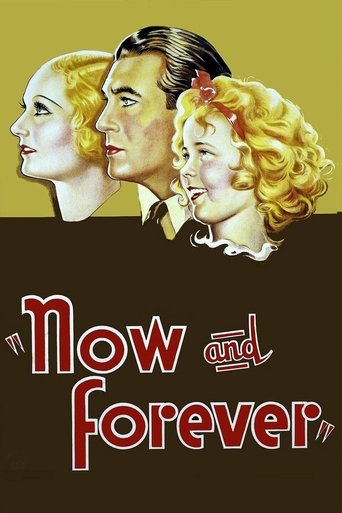
Now and Forever

Soldier of Fortune
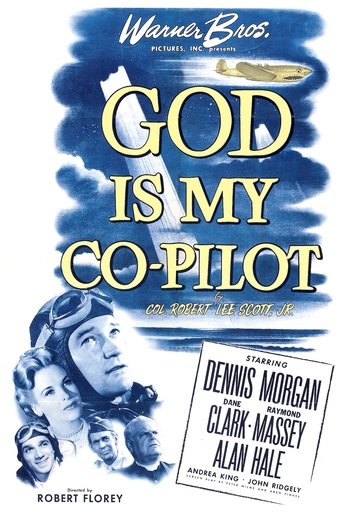
God Is My Co-Pilot

Seven Were Saved

Rogues' Regiment

West of Shanghai
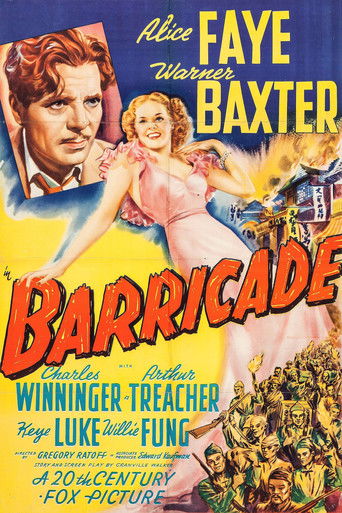
Barricade
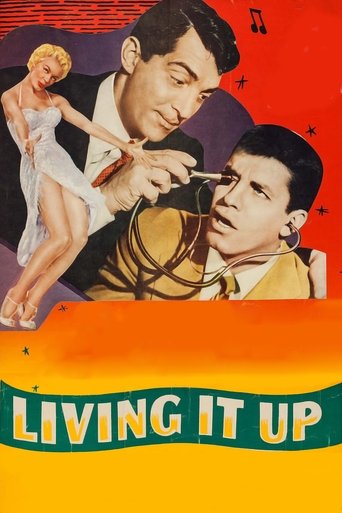
Living It Up
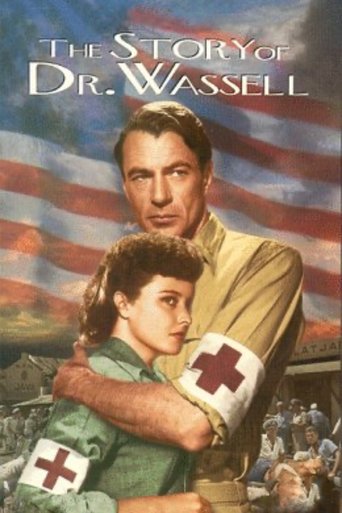
The Story of Dr. Wassell
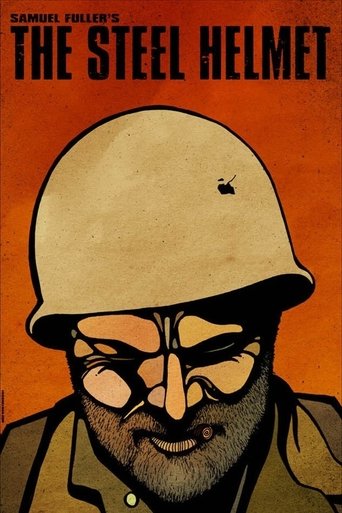
The Steel Helmet
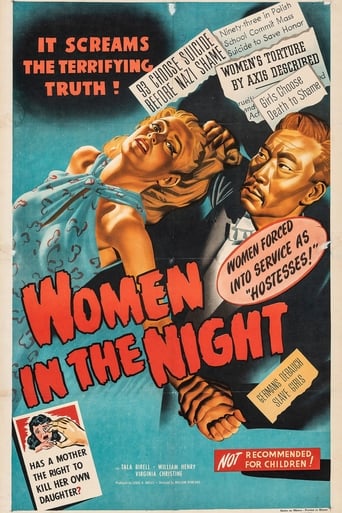
Women in the Night
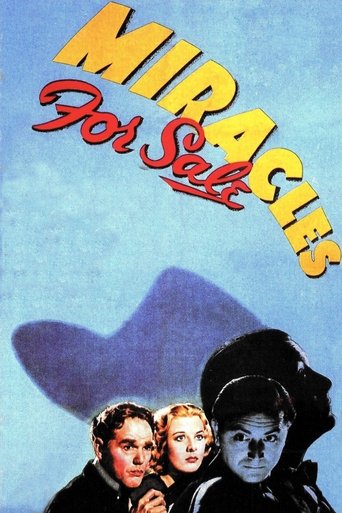
Miracles for Sale
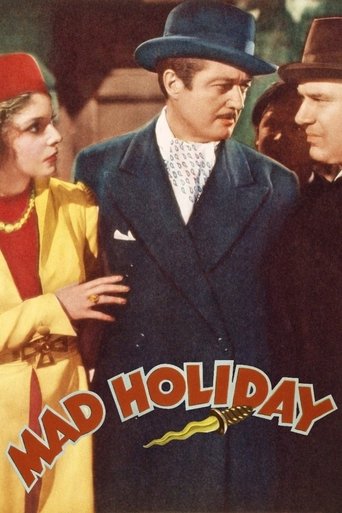
Mad Holiday
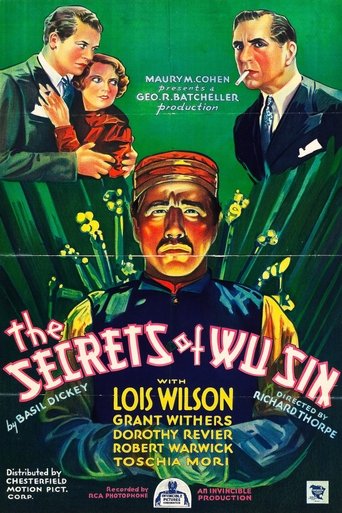
The Secrets of Wu Sin

The Bamboo Prison
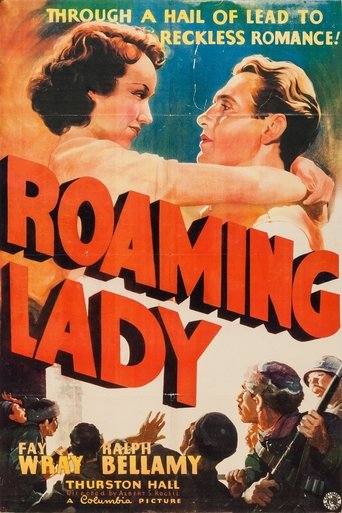
Roaming Lady